Threat Intelligence · Incident Response
Fake nuclear alerts sent through emergency apps in Ukraine and Russia
Hackers sent false nuclear and radiation warnings through emergency alert apps in Ukraine and Russia. Both countries say their systems were compromised, but it is unclear who was responsible.
Ross GrantUpdated 3 min read
The short version
Hackers broke into emergency alert apps in both Ukraine and Russia, sending out false warnings about nuclear and radiation threats. The alerts caused confusion and alarm, but authorities quickly confirmed they were fake. Both countries restored their systems and told people to check official news for real information. No personal data was reported stolen.
What happened?
Hackers sent fake nuclear and radiation warnings through emergency alert apps in Ukraine and Russia on Sunday night. Both countries said their systems were compromised in cyberattacks. Ukraine’s app was temporarily suspended and later restored. Russia also reported its alert app was hacked, but both systems are now operating normally. It is unclear who was responsible for the attacks, according to NBC News.
What was taken
In this case, no personal data or financial information was reported stolen. Instead, the attackers used the emergency alert systems in both Ukraine and Russia to send out false warnings. In Ukraine, messages warned of a radiation hazard, chemical threat and street fighting. Some alerts claimed the entire country was under nuclear threat and mentioned a Russian hypersonic missile. In Russia, fake alerts warned of nuclear warheads being launched at the country. These messages caused confusion and alarm, but did not result in a data breach of user information.
How the attack worked
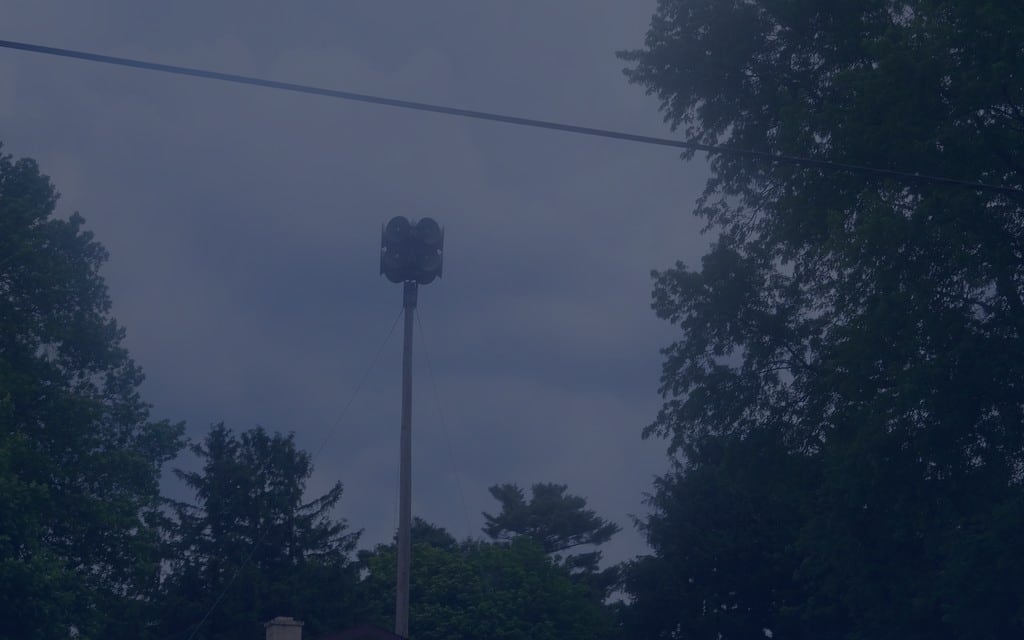
According to Ukrainian authorities, their emergency alert app was targeted in a cyberattack on Sunday night. The attackers gained access to the system and sent out fake alerts to users across the country. Some public warning sirens and loudspeakers in western Ukraine also broadcast a false radiation hazard signal. The Ukrainian Air Force confirmed the app had likely been compromised and urged the public to stay calm. The app’s creators said unauthorised third parties interfered with the operation, forcing a temporary suspension and gradual restoration of service. Additional security measures were being put in place to prevent future incidents.
Russia’s emergencies ministry reported a similar incident, stating its mobile alert app suffered a “massive cyberattack” that led to the spread of fake information. The Russian system was restored soon after, and authorities emphasised that the app was only a supplementary information service. Russian officials did not say who was responsible, only blaming “malicious actors.”
Who is behind it
Responsibility for the attacks remains unclear. A Telegram channel called Hitcorecorp was mentioned in one of the Ukrainian alerts, and a pro-Kremlin Telegram channel claimed to have spoken with the group, which allegedly took responsibility. However, NBC News could not verify the group’s involvement or confirm who was behind the attacks. Russian authorities did not name any suspects.
The response
Both Ukraine and Russia responded by confirming the attacks and working to restore their alert systems. Ukraine’s emergency alert app was temporarily suspended, with extra security measures being implemented before service was restored. The State Emergency Service of Ukraine reported the system was operating normally the next day. Russia’s emergencies ministry also restored its app and reassured the public that the main alert system was unaffected.
What you should do
For users in affected regions, it is important to verify emergency alerts through multiple trusted sources, especially if a message seems unusual or out of character. Authorities in Ukraine and Russia both advised the public to stay calm and check official news channels for updates. Organisations running critical alert systems should review their security controls and monitor for unauthorised access.
Claimed vs confirmed
- Unconfirmed
A group called Hitcorecorp claimed responsibility for the Ukrainian app attack.
A pro-Kremlin Telegram channel said it spoke with Hitcorecorp, which allegedly took responsibility, but NBC News could not verify this.
Why it matters
Emergency alert systems are trusted sources of life-saving information. If attackers can compromise these systems, they can cause panic or confusion during a crisis. This incident shows the importance of securing public warning infrastructure.
Key points
- Hackers sent fake nuclear and radiation alerts through emergency apps in Ukraine and Russia.
- Both countries confirmed their systems were compromised but restored them quickly.
- No personal data was reported stolen in these incidents.
- Responsibility for the attacks remains unconfirmed.
- Users should verify emergency alerts with trusted sources.
Sources
NBC News
Reference