Ransomware · Vulnerabilities · Threat Intelligence
Pentagon Data Breach Exposes Millions, FBI Patch Failure and Teen Ransomware Arrest Reported
A Pentagon breach exposed millions of records, the FBI blamed a contractor for a patch failure, and a 16-year-old was named as a ransomware group leader. Only one outlet has reported these incidents so far.
Ross Grant3 min read
The short version
Several major security incidents were reported this week. The Pentagon had a data breach that exposed millions of records, including Social Security numbers. The FBI said a contractor failed to patch a known flaw, leading to a breach. A 16-year-old was named as the leader of a ransomware group. Over half a million passwords are still exposed on GitHub. South Korean banks were targeted by suspected AI-powered attacks. Most details come from a single news outlet and have not been confirmed by primary sources.
By the numbers
- 2.76 millionliving individuals affected by Pentagon breachPCMag
- 294,000deceased individuals affected by Pentagon breachPCMag
- 543,699active credentials exposed on GitHubPCMag
What happened?
A breach at the US Department of Defense reportedly exposed millions of personnel records, including Social Security numbers and service details. The FBI blamed a contractor for a patch failure that led to a data breach. Europol identified a 16-year-old as the alleged leader of a ransomware group. Over 500,000 active credentials remain exposed on GitHub. Several South Korean banks were hit by suspected AI-powered attacks.
Pentagon Data Breach: What Was Taken and Who Is Affected
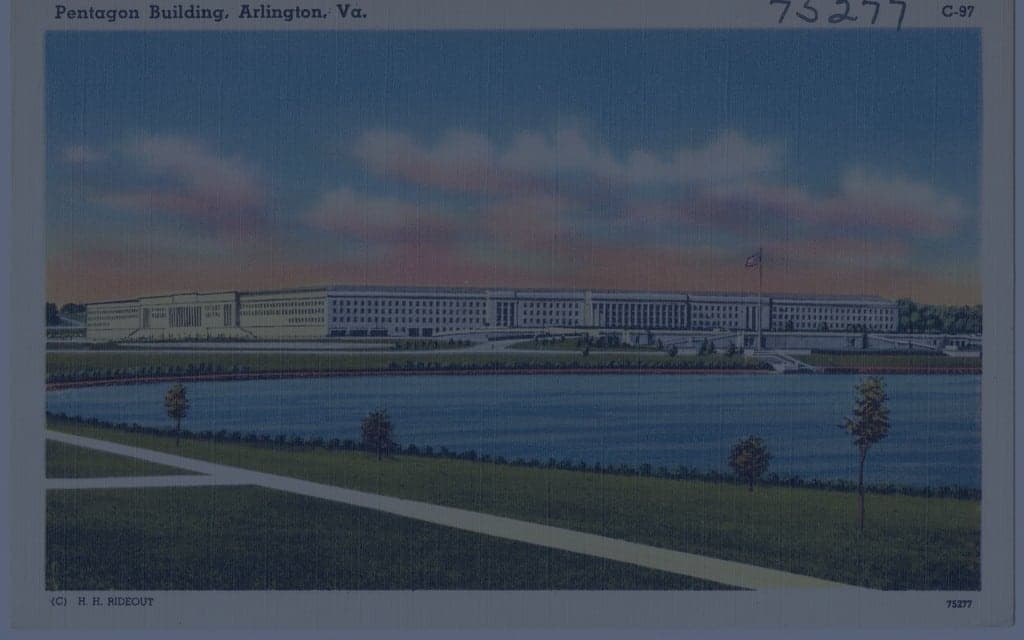
According to PCMag (opens in a new tab), the US Department of Defense suffered a breach at the Defense Manpower Data Center (DMDC). Attackers accessed unencrypted personnel records, including Social Security numbers, names, dates of birth, military service and civilian employment records, and in some cases, more details such as contact information and job specialties. The breach reportedly lasted from October 2025 to July 2026, giving attackers months of access. CNN and TechCrunch are cited as sources for the number affected: 2.76 million living individuals and 294,000 deceased individuals. The department is said to be contacting those affected and offering 12 months of credit and identity monitoring. The risk is not just identity theft or phishing, but also the potential for foreign intelligence collection targeting both military and civilian personnel.
FBI Patch Failure and Contractor Blame
The FBI reportedly suffered a data breach due to a contractor failing to update software with a known vulnerability. The FBI attributed the breach to this oversight. There are no details in the available reporting about what data was exposed or how many people were affected. The incident highlights the risks of relying on third parties for patch management and the consequences of not keeping systems up to date.
Ransomware: A 16-Year-Old Alleged Kingpin
Europol announced it had identified the leader of KillSec, a ransomware group accused of international extortion and data theft. The surprising detail: the alleged leader is just 16 years old. No further details about the individual's identity, the group's victims, or the scale of their operations are provided in the reporting. This case underlines how cybercrime groups can be led by very young individuals, and how law enforcement agencies are working internationally to track and arrest them.
Exposed Credentials on GitHub
Researchers at Truffle Security found that over 500,000 active usernames and passwords remain exposed on GitHub, even after previous warnings and some action by GitHub to scan and alert users. Hard-coded credentials in code repositories remain a persistent problem, and many developers have not revoked or rotated these exposed secrets. This leaves systems open to attack, as anyone can find and use these credentials if they remain valid.
South Korean Banks Targeted by Suspected AI-Powered Attacks
Several South Korean banks, including Shinhan Bank and Kookmin Bank, reported breaches affecting tens of thousands of customers. The attacks are suspected to involve AI-powered tools, with one server linked to ARTEX AI, an open-source penetration testing tool. The focus appears to be on stealing data rather than money. South Korea's Financial Services Commission held an emergency meeting and is urging all banks to strengthen defences and share threat intelligence.
What Happens Next
For the Pentagon breach, affected individuals are being notified and offered monitoring services. The FBI incident may prompt reviews of contractor patch management. The ransomware arrest may lead to further law enforcement action against the group. Developers should urgently check for exposed credentials in their code and rotate any that are public. Banks and their customers in South Korea should be alert for phishing and fraud attempts.
Uncertainties
Most of these incidents are only reported by PCMag, citing other outlets in some cases. There are no primary sources or official statements linked in the reporting. The full scale and details of the FBI breach, the Pentagon breach, and the ransomware group’s activities remain unclear.
Claimed vs confirmed
- Unconfirmed
Pentagon breach exposed millions of personnel records, including Social Security numbers.
Reported by PCMag, citing CNN and TechCrunch. No primary statement from the Department of Defense linked.
- Unconfirmed
FBI breach caused by contractor failing to patch a known vulnerability.
Reported by PCMag. No primary statement from the FBI linked.
- Unconfirmed
Europol identified a 16-year-old as the leader of a ransomware group.
Reported by PCMag. No Europol press release or primary source linked.
- Unconfirmed
Over 500,000 active credentials remain exposed on GitHub.
Reported by PCMag, citing Truffle Security research. No primary data linked.
The impact
- Money
- The Pentagon and affected banks may face costs for credit monitoring, incident response, and possible regulatory fines. Under US law, fines for breaches can be significant, but no specific amounts are reported.
- Reputation
- The Pentagon and FBI face public scrutiny over security failures. Banks in South Korea may lose customer trust if data is misused. The exposure of credentials on GitHub damages trust in affected developers and organisations.
- Customers
- People whose data was exposed in the Pentagon breach should watch for identity theft and phishing. Developers should check for exposed credentials. Bank customers in South Korea should be alert for fraud attempts.
Why it matters
Millions of people, including military and civilian personnel, may be at risk of identity theft or targeted attacks due to the Pentagon breach. The FBI incident shows how third-party contractors can be a weak link in security. Exposed credentials on GitHub put many systems at risk. The ransomware case and AI-powered attacks show that cybercrime is evolving and can involve very young individuals or advanced tools.
How does it work?
The Pentagon breach involved attackers accessing unencrypted personnel records over several months. The FBI breach was reportedly due to a contractor failing to patch a known vulnerability. Exposed credentials on GitHub are often due to developers hard-coding usernames and passwords in public code. The South Korean bank attacks may have used AI-powered penetration testing tools to find weaknesses.
Key points
- Pentagon breach exposed millions of unencrypted personnel records.
- FBI blamed a contractor for a patch management failure leading to a breach.
- A 16-year-old was identified as the alleged leader of a ransomware group.
- Over 500,000 active credentials remain exposed on GitHub.
- South Korean banks targeted by suspected AI-powered attacks.